The 30-Second Answer and the Safe Fix
Yes, dashcams can drain your car battery if wired incorrectly. Learn how parking mode, hardwire kits, low-voltage cutoff, battery packs, and jump starters fit together.
Quick Summary
What to know first
A dashcam drains a 12V battery only when it keeps receiving power after the engine is off. The clean fix is a low-voltage hardwire kit or a dedicated dashcam battery pack; a portable jump starter is the backup plan, not the prevention method.
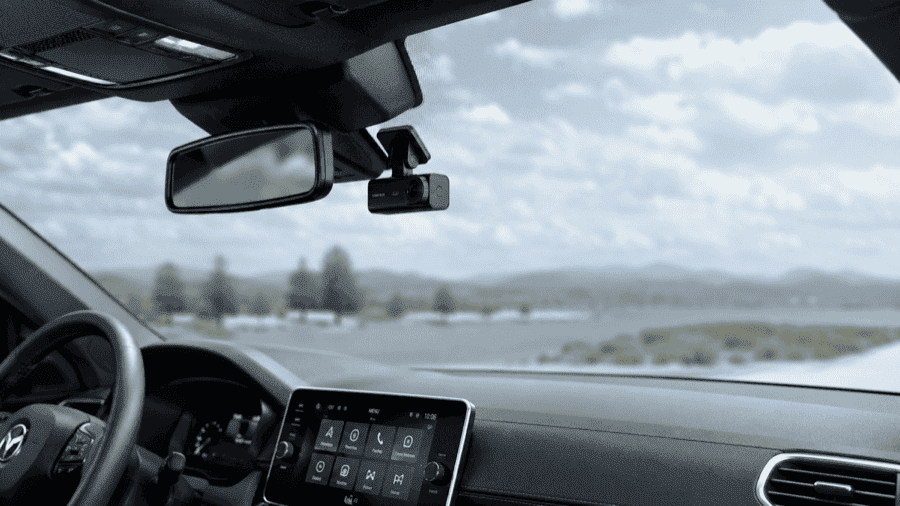
The 30-Second Answer
Yes, a dashcam can drain your 12V car battery, but only if it receives constant power while the engine is off. If the camera is plugged into an always-on 12V socket, wired with the wrong cable, or running parking mode without low-voltage protection, it can keep drawing current until the battery falls below the voltage needed to crank the engine.
The fix is not complicated: use a brand-correct hardwire kit with low-voltage cutoff or a dedicated dashcam battery pack. A portable lithium jump starter belongs in the setup too, but only as a backup recovery tool. It does not prevent the drain; it protects you if the prevention layer fails.
Official roadside assistance data from organizations such as ADAC consistently places 12V battery failure among the leading causes of breakdown calls. That makes dashcam power management more than a neat installation detail. It is part of keeping the car startable.
Whether you are planning to buy a new camera or you already have one installed, this next step is critical: you must secure your setup with a dedicated power cable that protects your 12V battery from complete drain.
How Dashcams Draw Power
A dashcam is a small load, but it is still a load. While the engine is running, the alternator carries the electrical system and recharges the battery. Once the engine stops, every active device is pulling from the battery reserve.
The problem usually starts in one of three places:
- The 12V cigarette lighter socket stays live after the vehicle is locked.
- The dashcam parking mode is enabled without a safe cutoff threshold.
- A mismatched hardwire kit fails to tell the camera when the ignition state has changed.
Most cameras do not drain a healthy battery in minutes. The failure comes from time: a small draw repeated for 12, 24, or 48 hours, especially on an older battery, in cold weather, or after lots of short trips where the alternator never fully restores charge.
Parking Mode Is Useful, But It Is Not Free
Parking mode exists to capture impact events, vandalism, or hit-and-run damage while the car is parked. Depending on the camera, that can mean buffered recording, motion detection, impact-triggered wake-up, or time-lapse capture.
All of those modes require electricity. Even a low-power standby state can matter when the car sits for long periods. The more aggressive the parking surveillance, the more seriously you need to treat voltage protection.
| Power Mode | What Happens | Battery Risk | Best Control Method |
|---|---|---|---|
| Driving-only 12V socket | Camera runs only when ignition powers the socket | Low | Standard plug-in install |
| Always-on 12V socket | Camera keeps recording after shutdown | Medium to high | Manual unplug or switched circuit |
| Hardwired parking mode | Camera monitors while parked | Controlled if cutoff is correct | Brand hardwire kit with cutoff |
| External dashcam battery pack | Camera runs from a separate pack after shutdown | Lowest for main car battery | Dedicated LiFePO4 dashcam pack |
- What Happens
- Camera runs only when ignition powers the socket
- Battery Risk
- Low
- Best Control Method
- Standard plug-in install
- What Happens
- Camera keeps recording after shutdown
- Battery Risk
- Medium to high
- Best Control Method
- Manual unplug or switched circuit
- What Happens
- Camera monitors while parked
- Battery Risk
- Controlled if cutoff is correct
- Best Control Method
- Brand hardwire kit with cutoff
- What Happens
- Camera runs from a separate pack after shutdown
- Battery Risk
- Lowest for main car battery
- Best Control Method
- Dedicated LiFePO4 dashcam pack
The Two Best Ways To Prevent Dashcam Battery Drain
1. Low-Voltage Hardwire Kits
A hardwire kit connects the dashcam to the fuse box using a constant-power line, an ignition-switched line, and a ground. That three-wire layout lets the camera know when the engine is on and when the vehicle is parked.
The important part is the low-voltage cutoff. A good kit monitors the 12V battery and shuts the camera down once voltage drops to a preset threshold, commonly around 11.8V to 12.2V depending on the kit. That preserves enough reserve to start the car instead of letting the camera record until the battery is flat.
This is the cleanest budget fix for most drivers. It keeps the dashcam installed permanently, unlocks parking mode, and avoids the bad habit of unplugging the camera every night.
2. Dedicated Dashcam Battery Packs
A dashcam battery pack is the premium fix. It charges while you drive, then powers the camera from its own reserve when the engine is off. Your main starter battery is no longer the fuel source for parking surveillance.
The best packs use chemistry designed for heat tolerance and repeated charge cycles inside a vehicle cabin. This matters because a random consumer power bank is not engineered for summer cabin temperatures, vibration, or permanent automotive installation.
Choose this route if you want long parking-mode runtime, frequent airport or street parking, or maximum separation between your camera system and the car’s starting battery.
Buyer Warning: Hardwire Kits Are Not Universal
Do not buy a random USB-C or Mini-USB hardwire kit just because the plug fits. Dashcam wiring is not only about connector shape. Different brands use different pin behavior, voltage conversion modules, parking-mode signaling, and software logic.
If the cable is wrong, the camera may never enter proper parking mode. It may run full-power recording all night, ignore the low-voltage cutoff, or fail to wake correctly after ignition.
The rule is simple: check the dashcam manual and buy the hardwire kit specified for that camera family. If you own a VIOFO, 70mai, Garmin, Vantrue, Thinkware, or BlackVue camera, treat the hardwire kit as part of the system, not a generic charging cable.
The Safety Net: Portable Lithium Jump Starters
A portable jump starter does not prevent dashcam battery drain. It solves the failure after it happens.
That distinction matters. If a dashcam, old battery, cold night, or forgotten accessory leaves the 12V system too weak to crank, a lithium jump starter lets you restart the vehicle without another car. It is the recovery layer under the prevention layer.
This is especially relevant for drivers who run aftermarket electronics: dashcams, wireless CarPlay adapters, USB chargers, GPS trackers, or cabin cameras. Each device may be small, but electrical reliability is a system, not a single accessory.
How To Test Your Own Car In Two Minutes
- Park the car, turn off the engine, remove the key, and lock the doors.
- Wait several minutes so delayed accessory power can shut down.
- Look through the windshield and check the dashcam screen or status LED.
- If the camera stays active, your outlet or wiring may be continuously powered.
- If you want parking mode, install a proper hardwire kit or battery pack instead of relying on guesswork.
Common Mistakes
- Assuming a cigarette lighter socket always turns off with the ignition.
- Using a cheap hardwire kit with no adjustable voltage cutoff.
- Buying a cable by connector shape instead of dashcam compatibility.
- Setting the cutoff too low on an older battery.
- Running aggressive parking mode when the car mostly does short city trips.
- Treating a jump starter as prevention instead of recovery.
Bottom Line
A dashcam is not dangerous to your battery by default. The risk comes from uncontrolled after-shutdown power draw.
For most drivers, the correct setup is a brand-specific hardwire kit with low-voltage cutoff. For longer parking surveillance, use a dedicated dashcam battery pack. For real roadside resilience, keep a portable lithium jump starter in the car as the last line of defense.
The clean hierarchy is: prevent drain first, isolate parking-mode power if needed, and carry a jump starter for the failure case.
FAQ
Common questions
Can a dashcam drain a car battery overnight?
Yes, but usually only when the camera is connected to an always-on 12V outlet, a weak battery, or an incorrectly configured parking-mode circuit. A healthy car battery can often tolerate short recording windows, but continuous overnight draw can become a starting problem.
Do dashcams drain battery in parking mode?
Parking mode still consumes power because the camera keeps motion detection, impact detection, time-lapse recording, or standby circuitry active. Use a low-voltage cutoff hardwire kit or a dedicated dashcam battery pack if you want parking mode without risking the main starter battery.
Is a dashcam battery pack better than a hardwire kit?
A dedicated dashcam battery pack is cleaner for long parking-mode sessions because it powers the camera from a separate reserve. A hardwire kit is cheaper and simpler, but it still uses the vehicle battery until its cutoff threshold is reached.
Can a portable jump starter prevent dashcam battery drain?
No. A jump starter does not stop a dashcam from draining the battery. It is a recovery tool for the morning after: if the 12V battery is too weak to crank, a lithium jump starter can restart the vehicle without a donor car.
How do I know if my car outlet stays powered when the engine is off?
Turn off the engine, remove the key, lock the vehicle, and watch the dashcam through the glass. If the recording light, screen, or status LED remains active after several minutes, that outlet may be permanently live.